
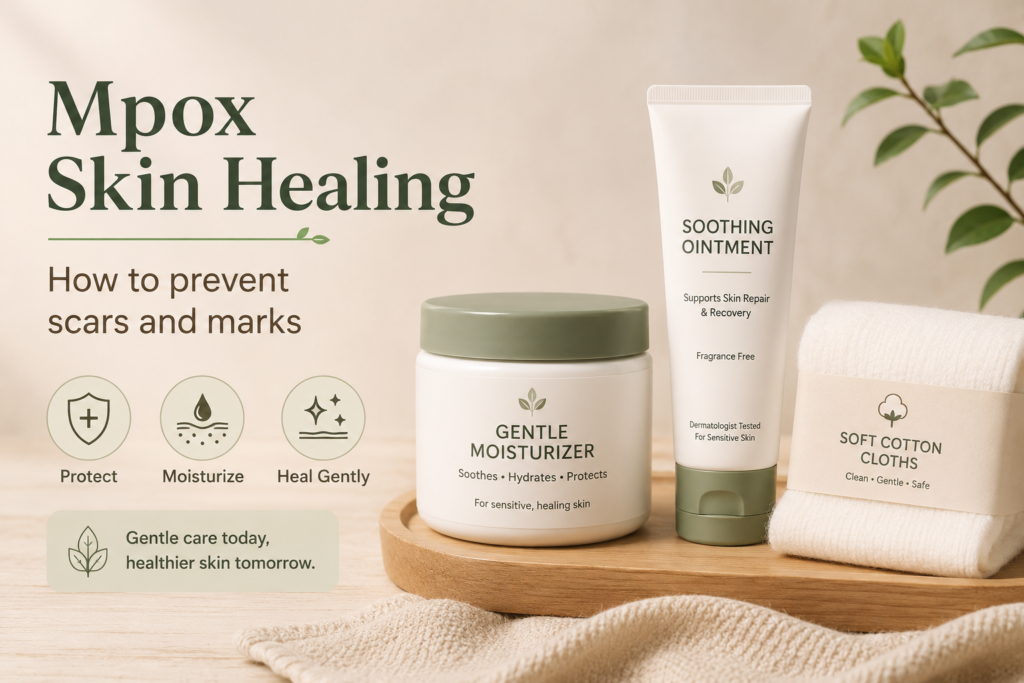

Dealing with a viral rash is exhausting enough on its own. But as the initial fever fades and the raw, painful blisters start to transition into dry, crusty scabs, a whole new wave of anxiety usually sets in. You look in the mirror and think: Is this going to leave a permanent mark on my face or arms?
It is completely natural to feel stressed about long-term changes to your skin. The characteristic sores can be deep-seated, intensely uncomfortable, and visually alarming.
Fortunately, your skin has an incredible capacity to regenerate if it receives the right environment. By understanding the mechanics of Mpox Skin Healing, you can take active charge of your recovery. This complete guide walks through exactly how to prevent scars and marks using proven wound care methods, gentle products, and critical lifestyle habits.
Understanding the Stages of Skin Recovery
To protect your skin effectively, you first need to recognize what it is going through. The physical rash goes through a distinct, predictable life cycle before it can fully resolve.
According to official CDC clinical guidelines, individual spots classically progress through four separate stages:
- Macules and Papules: Flat, red structural changes on the skin surface that quickly evolve into small, firm, raised bumps.
- Vesicles and Pustules: Bumps fill with clear fluid or yellowish pus, often developing a small dip or dimple in the center.
- Crusting (Scabs): The blisters naturally dry out, forming a hard crust over the underlying lesion.
- Desquamation: The dead scabs slowly break down and drop off naturally, revealing a fresh, vulnerable pink layer of intact tissue.
During this evolution, the spots are typically painful at first before becoming highly itchy as they crust over. A person remains fully infectious until every single scab has naturally shed and healthy skin completely replaces the area.
The Three Golden Rules of Early Scar Prevention
The foundation of successful recovery is laid while the spots are still fully active. If you want to avoid structural hyperpigmentation or pitted indentation marks later, you must prioritize basic defensive habits early on.
1. Hands Off the Crusts
I know how intense the itching can get, but you must avoid scratching, rubbing, picking, or unroofing the scabs. Picking a scab prematurely pulls away the delicate new skin cells forming beneath it, forcing your body to restart the inflammatory process. This structural disruption dramatically increases the likelihood of deep, indented pockmarks.
2. Keep the Area Covered and Clean
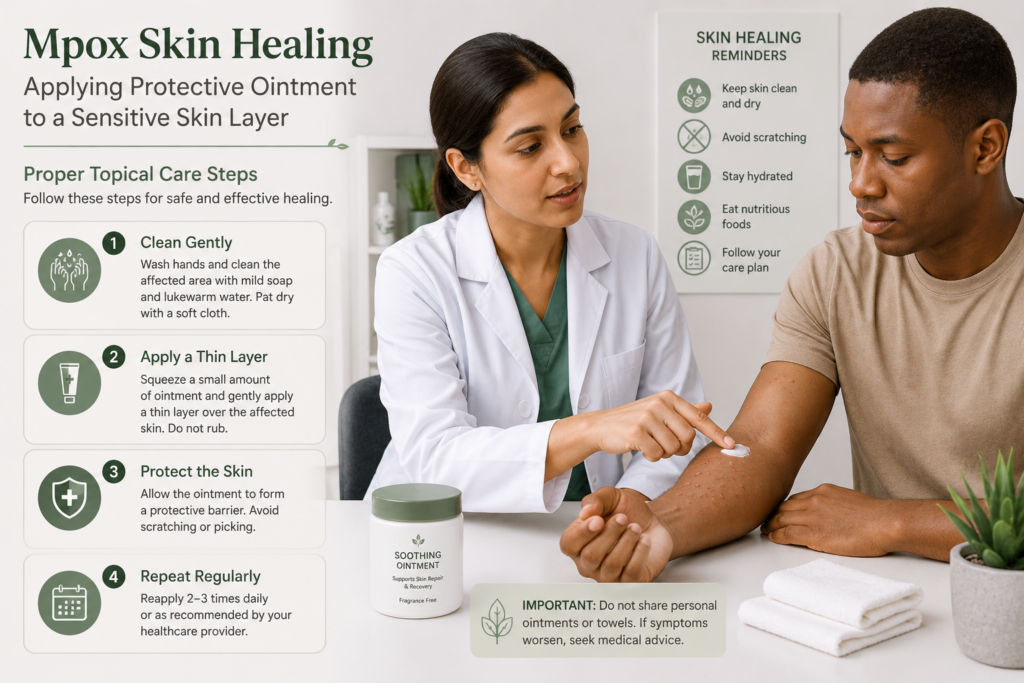
Gently wash the affected skin daily using lukewarm water and a mild, completely fragrance-free soap designed specifically for sensitive skin types. Keeping the individual sores safely covered with a lightweight, breathable adhesive bandage or non-stick sterile gauze protects the tissue from friction caused by your clothing. It also helps prevent the physical virus from spreading to other parts of your body or household members.
3. Maintain Ointment Moisture Barriers
Dry wound environments encourage thick, hard, jagged scabs that rip away easily. Dermatologists from the American Academy of Dermatology (AAD) recommend applying a thin layer of petroleum jelly or a pure petrolatum-based ointment using a hygienic squeeze tube. Avoid dipping your fingers directly into a tub container to keep from introducing outside bacteria into the vulnerable areas.
My Experience: The Importance of Keeping it Simple
A year ago, a close relative of mine developed a severe localized rash on his forearms following a viral exposure. He was so terrified of looking scarred that he immediately started panic-applying strong over-the-counter acne washes, alcohol-based astringents, and heavy exfoliating acids directly onto the open blisters.
The result was an absolute disaster. The aggressive chemical ingredients severely burned his compromised moisture barrier, creating deep chemical inflammation that took an extra month to resolve.
When your skin barrier is actively broken, less is always more. Your body doesn’t need complex chemical peeling serums or fancy multi-step luxury products to heal. It needs a safe, calm environment, minimal friction, basic moisture retention, and uninterrupted time to rebuild its structural walls from the inside out.
Actionable Steps to Fade Marks After Scabs Fall Off
Once the scabs have safely fallen off and you have successfully cleared the infectious window, you can shift your strategy toward managing hyperpigmentation, uneven skin texture, and redness.
Step 1: Commit to Heavy Silicone Therapy
Medical literature shows that silicone-based gels or specialized silicone sheeting are highly effective for post-viral scar reduction. Silicone forms an invisible protective micro-layer that deeply hydrates the new tissue, regulating collagen synthesis so the skin heals flat and soft. Apply a thin layer of medical-grade silicone gel twice daily to the pink spots for at least 8 to 12 weeks.
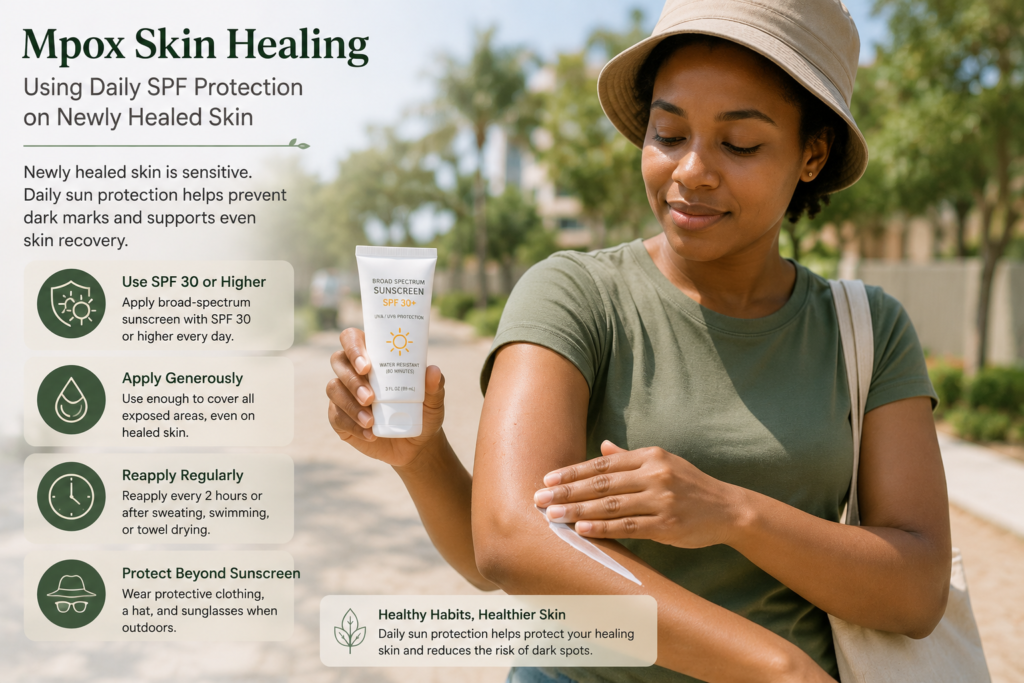
Step 2: Implement Strict Daily Sun Protection
Freshly healed skin cells are incredibly sensitive to ultraviolet radiation. If you expose raw pink spots to regular daylight without protection, the sun will trigger melanin overproduction, turning temporary pink marks into dark, stubborn brown stains. Always apply a broad-spectrum mineral sunscreen with an SPF of 30 or higher to exposed areas.
Step 3: Soothe the Tissue with Natural Anti-Inflammatories
To combat the tight, dry, post-healing itchiness, incorporate clean moisturizers containing soothing natural elements. Look for:
- Colloidal Oatmeal: Perfect for reducing residual skin inflammation and calming the nervous system’s itch response.
- Pure Aloe Vera: Intensely hydrates vulnerable skin layers without clogging delicate pores.
- Shea or Cocoa Butter: Rich in natural fatty acids that keep the new tissue smooth and pliable.
Professional Options for Deep Indentations
If you do develop permanent structural texture changes or deep pits due to severe lesions, don’t despair. Modern clinical dermatology offers several excellent corrective options once your skin has fully stabilized for a few months:
- Pulsed Dye Laser (PDL) Therapy: Clinical case reviews show that targeted laser sessions can dramatically reduce structural redness, improve tissue pliability, and smooth out scar borders safely.
- Microneedling Treatment: Controlled micro-injuries created by a dermatologist can stimulate your skin’s deep dermis layer to produce fresh, natural collagen, slowly plumping up indented pockmarks from underneath.
- Prescription Topical Retinoids: Once the skin barrier is completely closed, a doctor can prescribe specialized vitamin A derivatives to speed up cellular turnover and even out skin tone.
Conclusion: Patience is Your Best Skincare Ally
When it comes to Mpox Skin Healing, consistency and gentle care are your absolute best tools. By keeping active sores clean, preserving deep moisture with simple petrolatum ointments, and locking down daily sun defense, you can drastically minimize the risk of permanent discoloration. Give your body the time it needs to recover, protect your skin barrier with care, and avoid aggressive products.
Have you tried using silicone gels or colloidal oatmeal for skin recovery? What tips helped your skin bounce back best after an illness? Let us know your thoughts in the comments section below! If you found these practical tips helpful, please share this post with your friends and subscribe to our newsletter for more weekly skincare updates.
For More Information, please visit:Techenter.co.uk